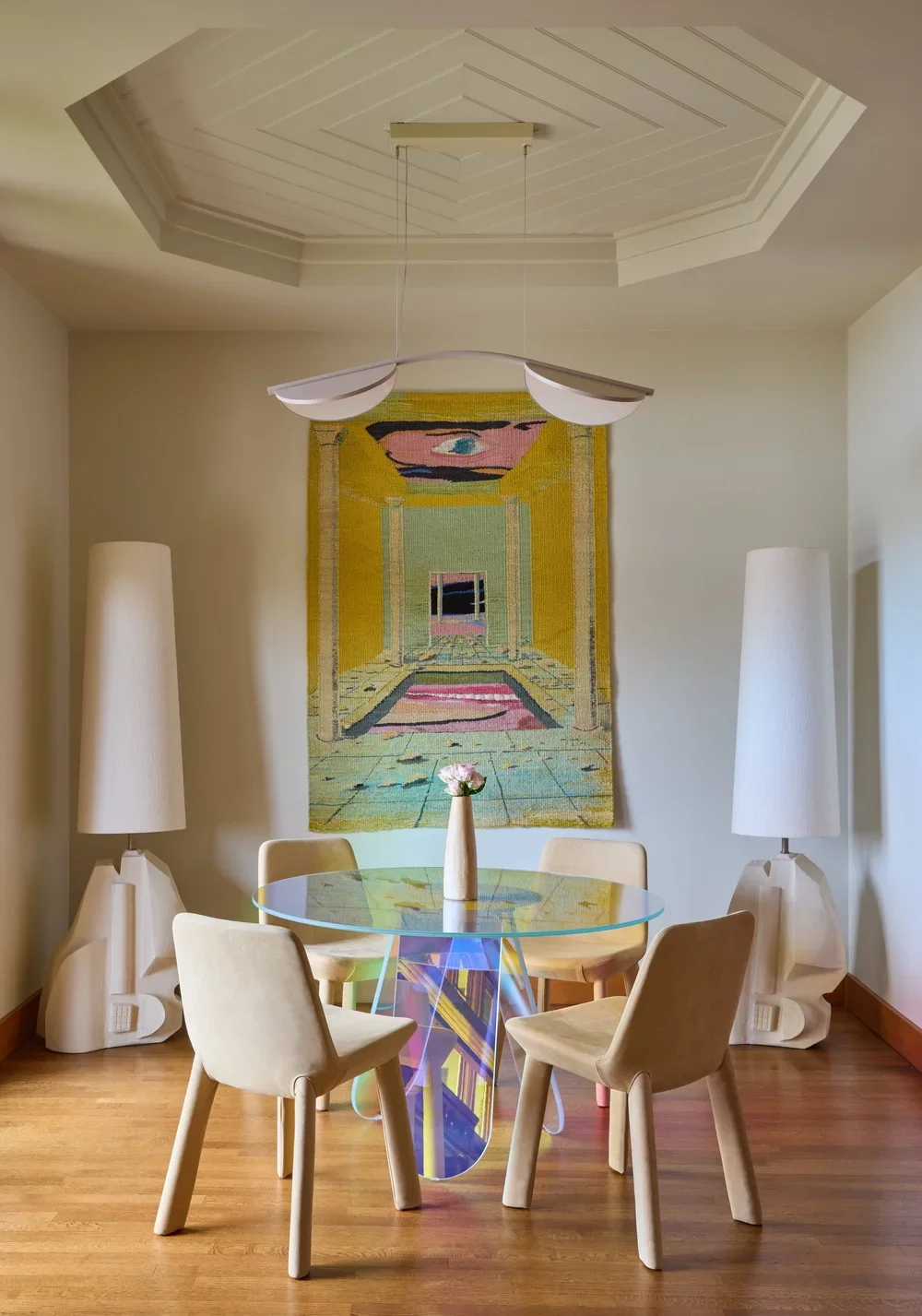
A home often starts as a loose idea. A mood board, a few saved images, or a feeling someone wants to bring into daily life. A residential design company in Venice takes this early vision and shapes it into a space that works in real life, not just in photos. The process is not about adding more. It is about choosing what stays, what goes, and what truly fits.
Designers do not rush to fill a room. They study how a home should feel and function first. Then they build around that.
It Begins with Listening, Not Designing
Before any plans are drawn, the focus stays on the people who live in the space. Designers ask simple but important questions:
How do you start your day?
Where do you spend the most time?
What feels uncomfortable in your current space?
These answers shape the direction. A good design team looks for patterns in how people live. They notice small habits. For example, a client who always works at the kitchen table may need a better workspace, not just a prettier kitchen. This stage sets the tone. Without it, design becomes guesswork.
Turning Ideas into a Clear Design Direction
After gathering input, the next step is editing ideas. Not every inspirational image belongs in the same home. Designers narrow things down by:
Selecting a clear color palette
Choosing a consistent material story
Defining the mood of each room
This is where restraint shows. A strong concept often uses fewer elements, not more. Clean direction avoids visual clutter and keeps the home feeling calm.
A residential design company in Venice often draws from the local context. Light, texture, and indoor-outdoor flow play a role. Still, the final direction depends on the client’s lifestyle, not trends.
Planning Space for Real Use
A beautiful room fails if it does not work well. So, layout planning becomes a key step. Designers focus on:
Furniture placement for easy movement
Clear walking paths
Proper spacing between elements
Smart use of corners and unused areas
Every decision connects back to function. For example, a sofa is not placed just for symmetry. It is placed where people naturally gather. This stage often includes floor plans and simple sketches. These tools help test ideas before anything is built.
Material Selection with Purpose
Materials are not picked for looks alone. They must handle daily life. Designers think through:
Durability for high-use areas
Comfort for seating and touch points
Maintenance needs over time
How materials age with use
A soft fabric may look great, but fail in a busy home. A polished surface may shine at first but show wear quickly. So choices stay practical. A residential design company in Venice often leans toward natural finishes. Wood, stone, and textured fabrics add depth without feeling forced. Still, each material earns its place based on use.
Solving Problems Through Design
Real homes come with challenges. Odd layouts, low light, or limited storage can affect daily comfort. Designers address these issues directly:
Use built-in storage to reduce clutter
Add mirrors or light finishes to brighten dark areas
Rework layouts to improve flow
Design custom pieces for tricky spaces
Problem-solving is where design becomes useful, not just visual. A strong solution often feels simple once complete.
Managing the Process from Concept to Completion
Turning ideas into a finished home involves more than design. It requires coordination and timing. A design team handles:
Working with contractors and vendors
Tracking orders and deliveries
Adjusting plans when needed
Keeping the project on schedule
This keeps the process smooth. It also protects the original design intent. Without this step, even good ideas can fall apart during execution. A residential design company in Venice often acts as the bridge between vision and reality, making sure every detail aligns with the plan.
Editing Until It Feels Right
The final stage is not about adding more. It is about stepping back and refining. Designers review:
What feels too heavy or crowded
Where the balance is off
Which elements stand out too much
They remove or adjust where needed. This editing process brings clarity. It helps the space feel calm, lived-in, and complete. Good design rarely shouts. It feels natural and easy.
Final Thoughts
Turning ideas into a functional home is a thoughtful process. It moves from listening to planning, then to building and refining. Each step adds purpose, not just style.
A well-executed space reflects how people live, not just how they want things to look. It supports daily routines, solves real problems, and still feels personal.
Comments
Post a Comment